

Market Intelligence

Optimizing Chinese Steel Sourcing

Chinese steel plays an important role in the global supply chain, offering broad product availability, competitive production capabilities, and access to a wide network of experienced mills. For buyers, the opportunity lies in aligning the right mill, specification, quality requirements, and supply arrangement with each project. Successful sourcing starts with the right combination of mill capability, product specification, quality assurance, and supply planning.

At Mareso, we focus on creating sourcing solutions that support both commercial efficiency and long-term supply reliability.

EFFICIENT SOURCING STARTS WITH MARKET UNDERSTANDING

China has one of the world’s largest and most developed steel production networks, supported by extensive manufacturing capacity, established supply chains, and a wide range of product capabilities.

These advantages allow buyers to access diverse specifications and sourcing options across different applications and markets.

Production Scale

Large-scale production supports efficient manufacturing and broad product availability.

Supply Flexibility

A wide mill network provides buyers with more options across specifications, quantities, and applications.

Global Market Reach

Chinese mills have extensive experience supplying customers across international markets.

THE RIGHT SPECIFICATION. THE RIGHT MILL

THE RIGHT SPECIFICATION. THE RIGHT MILL

Chinese mills manufacture a broad range of steel products for construction, manufacturing, automotive, infrastructure, and many other industries. Many producers manufacture according to international standards including ASTM, EN, JIS, and AS/NZS. The key is to align mill capability with the buyer’s technical and application requirements.

Key sourcing considerations:
Producing mill and manufacturing capability
Required steel grade and specification
Intended application
Testing and certification requirements
Quality consistency for repeat supply

Clear specifications and the right mill selection create a strong foundation for consistent quality and reliable supply.

CLEAR DOCUMENTATION. SMOOTHER SUPPLY.

Traceability and documentation are important parts of international steel sourcing.

Clear mill information, certificates, origin documentation, and shipping records help buyers maintain an organized and efficient supply chain.

Strong documentation supports:
Product traceability
Customs procedures
Internal quality control
Customer documentation requirements
International supply coordination

Well-managed documentation helps materials move smoothly from mill to destination.

CLEAR DOCUMENTATION. SMOOTHER SUPPLY.

EXCELLENT SOLUTIONS WHEN WORKING WITH CHINESE MILLS

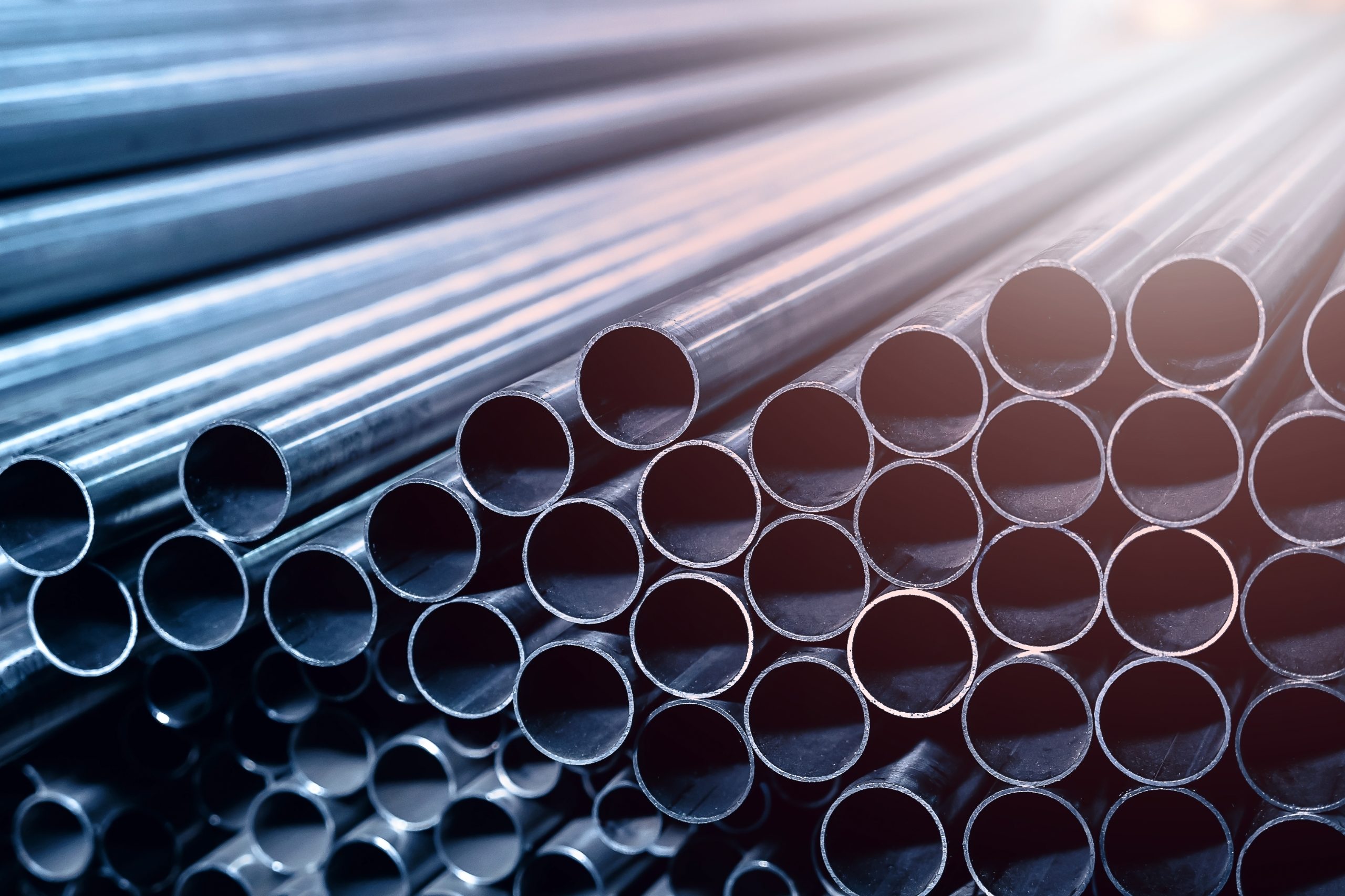
Chinese mills offer extensive product capabilities across steel categories. A successful sourcing program brings together the right mill, commercial terms, quality requirements, and logistics arrangement. Buyers can benefit from:
A wide selection of mills and products
Flexible specification options
Strong manufacturing capacity
International-standard production
Efficient production planning
Competitive sourcing opportunities
EXCELLENT SOLUTIONS WHEN WORKING WITH CHINESE MILLS

FROM REQUIREMENT TO DELIVERY

Product Requirements

Align grades, dimensions, tolerances, coatings, and standards with the intended application.

Mill Selection

Match each requirement with suitable production capabilities.

Quality Assurance

Arrange testing, inspection, and documentation according to customer requirements.

MRS PRACTICAL VIEW
BUILT AROUND THE RIGHT SOLUTION

At Mareso, we work closely with both buyers and mills to develop sourcing solutions that support long-term cooperation. Our role is to understand each customer’s requirements and coordinate the right combination of mill capability, product specification, quality assurance, documentation, and logistics.

Better solutions. Stronger partnerships. Sustainable supply.

AT MRS, WE HELP BUYERS CHECK:
01

Mill source

02

Product specification

03

Quality consistency

04

Origin documents

05

Trade-related risks