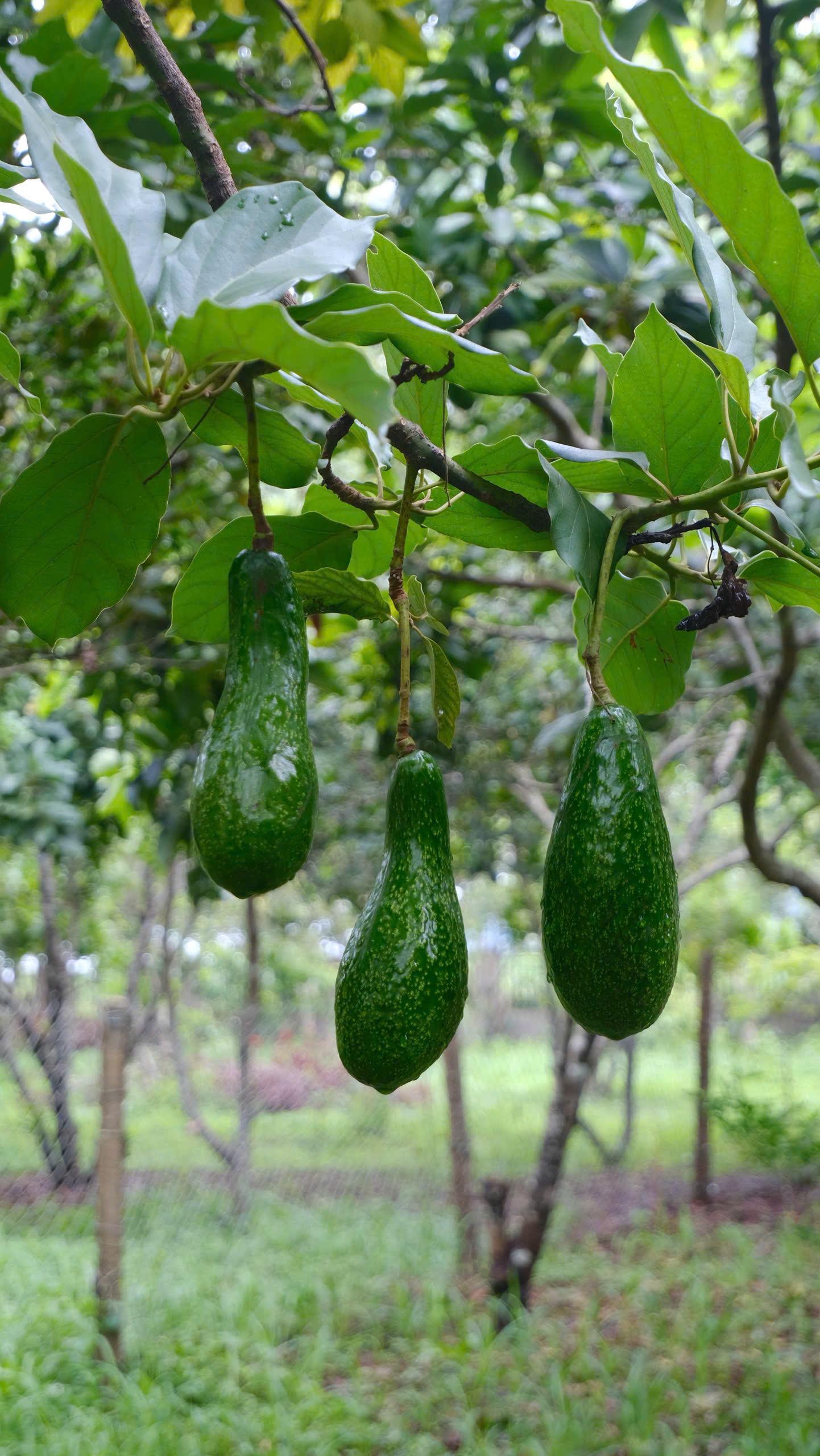
In a fast-moving world, we choose to slow down. We heal ecosystems, one farm at a time.
Every day, we bring food home to the people we love, yet we rarely know the truth behind the ingredients. how were they grown? what did they carry with them? in a world of abundance, we have traded transparency for convenience, leaving a quiet anxiety at the dinner table. we eat what is available, while wishing for a safer, clearer choice.

To feed this fast-moving world, the land has been pushed far beyond its biological limits. the traditional loop of intensive plowing, forced monoculture, and heavy chemical reliance has left the soil silent and sterile. topsoil is eroding, natural biodiversity is dying, and yields are declining.
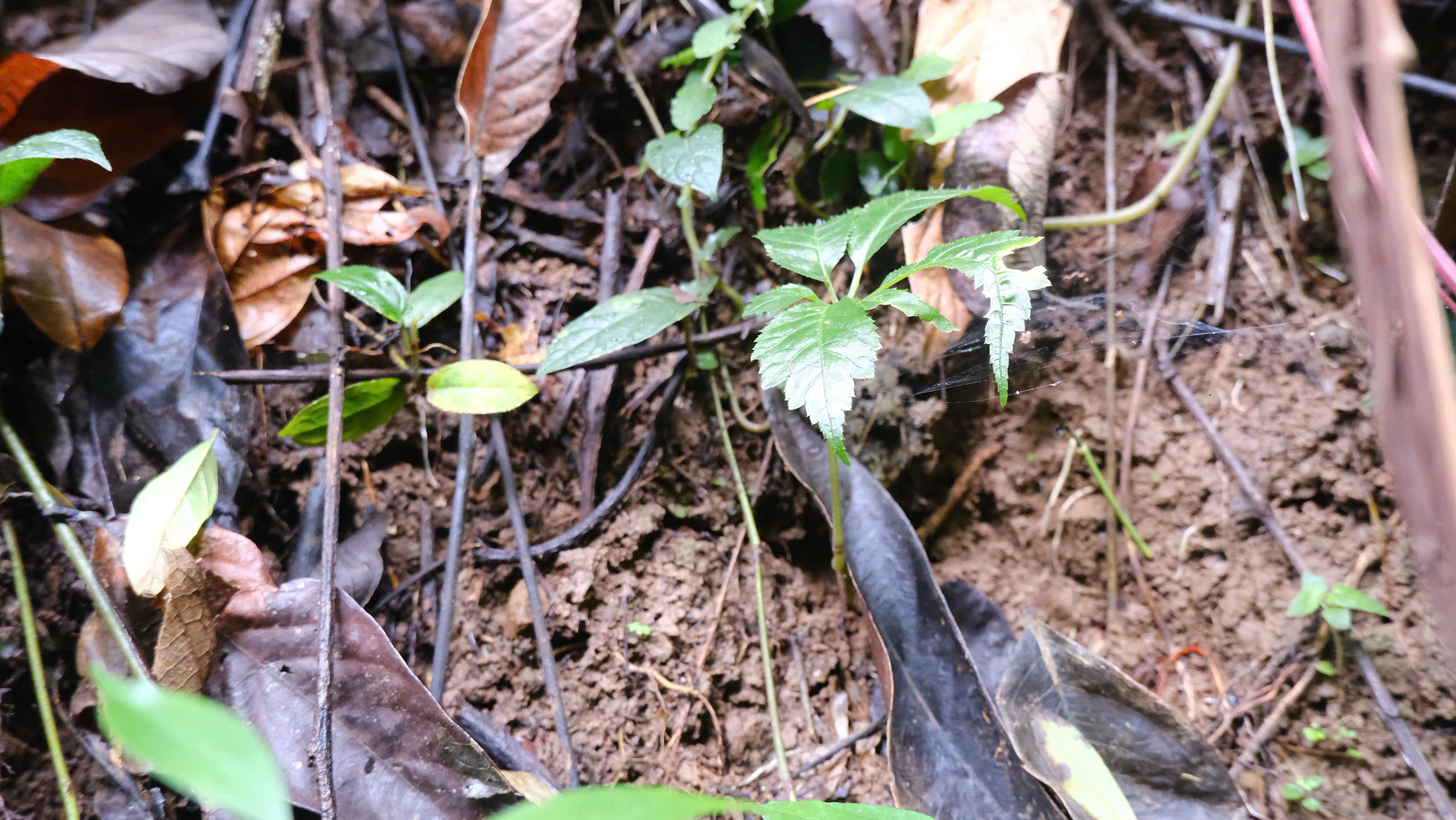
At Mareso, regenerative farming is not just a collection of techniques; it is a quiet, steady philosophy. It is about actively working with nature’s rhythms instead of forcing our artificial commercial timelines onto it. Every single practice we adopt is a mindful gesture of care for the soil beneath us and the future ahead of us.
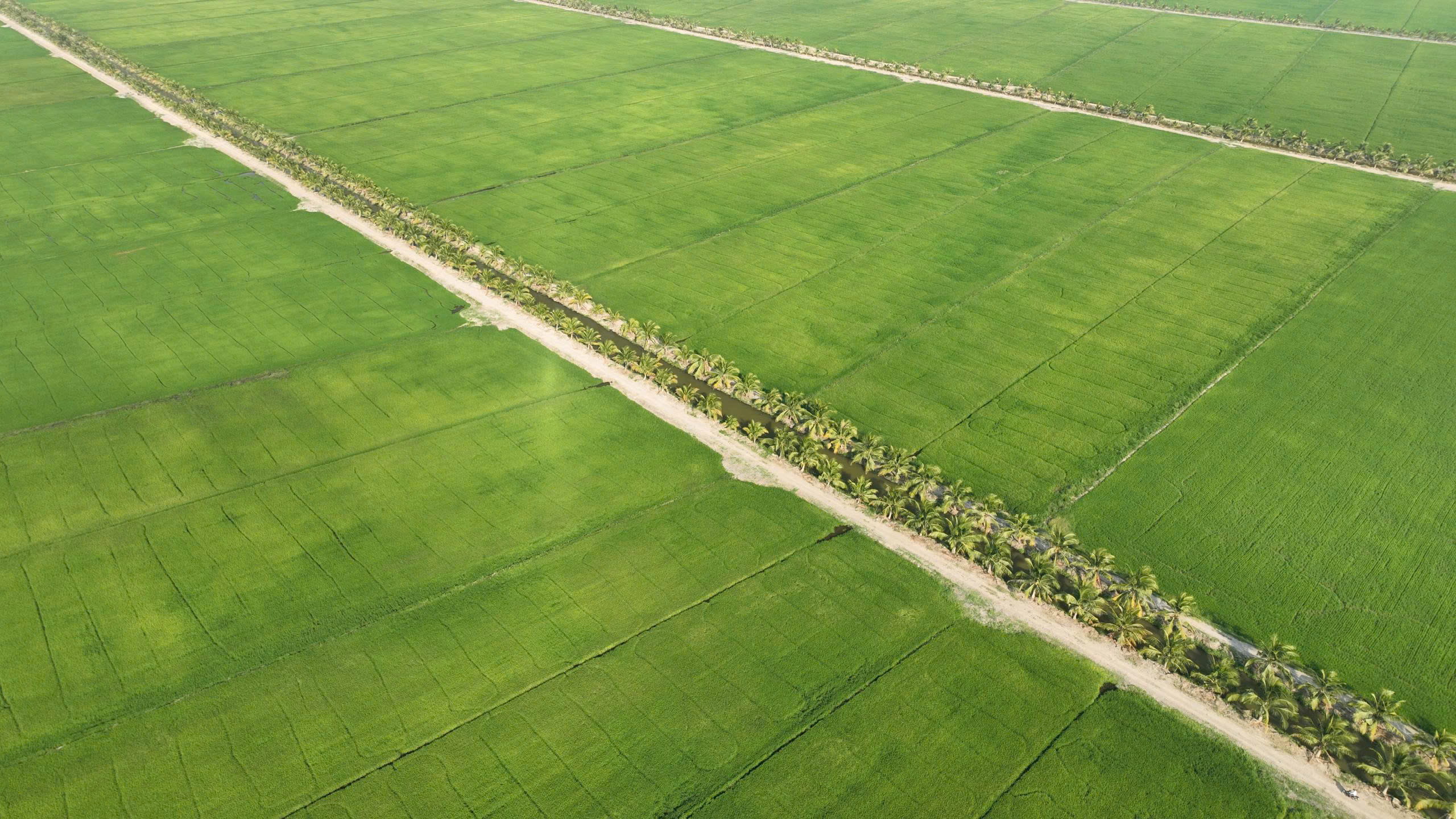
Alternating between premium rice lines and vital legumes like black soybeans.
Restores nitrogen balance naturally, breaks pest cycles, and keeps the soil ecosystem diverse.
Rotating rice with black soybeans does far more than replenish nitrogen. The Rhizobium bacteria living symbiotically within soybean root nodules can fix up to 150–200 kg of atmospheric nitrogen per hectare per year — equivalent to the entire synthetic urea input a conventional paddy field typically requires. Beyond nitrogen, soybean roots secrete organic acids that actively dissolve compacted hardpan layers built up through years of mechanical tillage, restoring deep water infiltration and breaking the cycle of surface runoff and erosion.
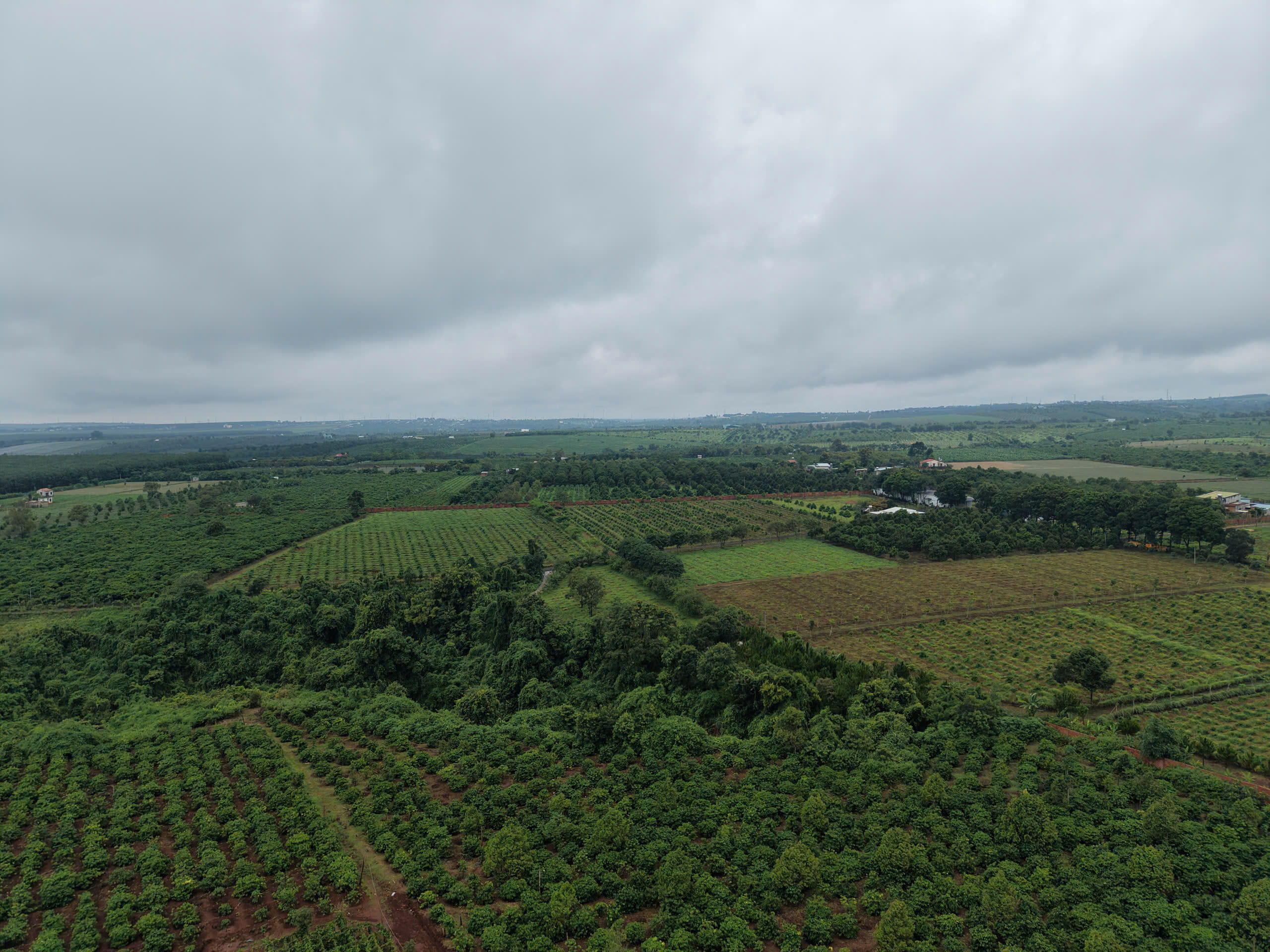
At our highland farm, the three-tier intercropping structure — macadamia at 8–12m, coffee at 2–4m, and black soybean at ground level — functions as a designed analogue of secondary tropical forest. The macadamia canopy filters 30–40% of direct solar radiation, reducing topsoil surface temperature by 4–6°C and creating the cool, humid microclimate that Arabica coffee naturally thrives in. Each root system occupies a different soil depth, eliminating nutrient competition and increasing overall water-use efficiency by approximately 35% compared to monoculture plots.
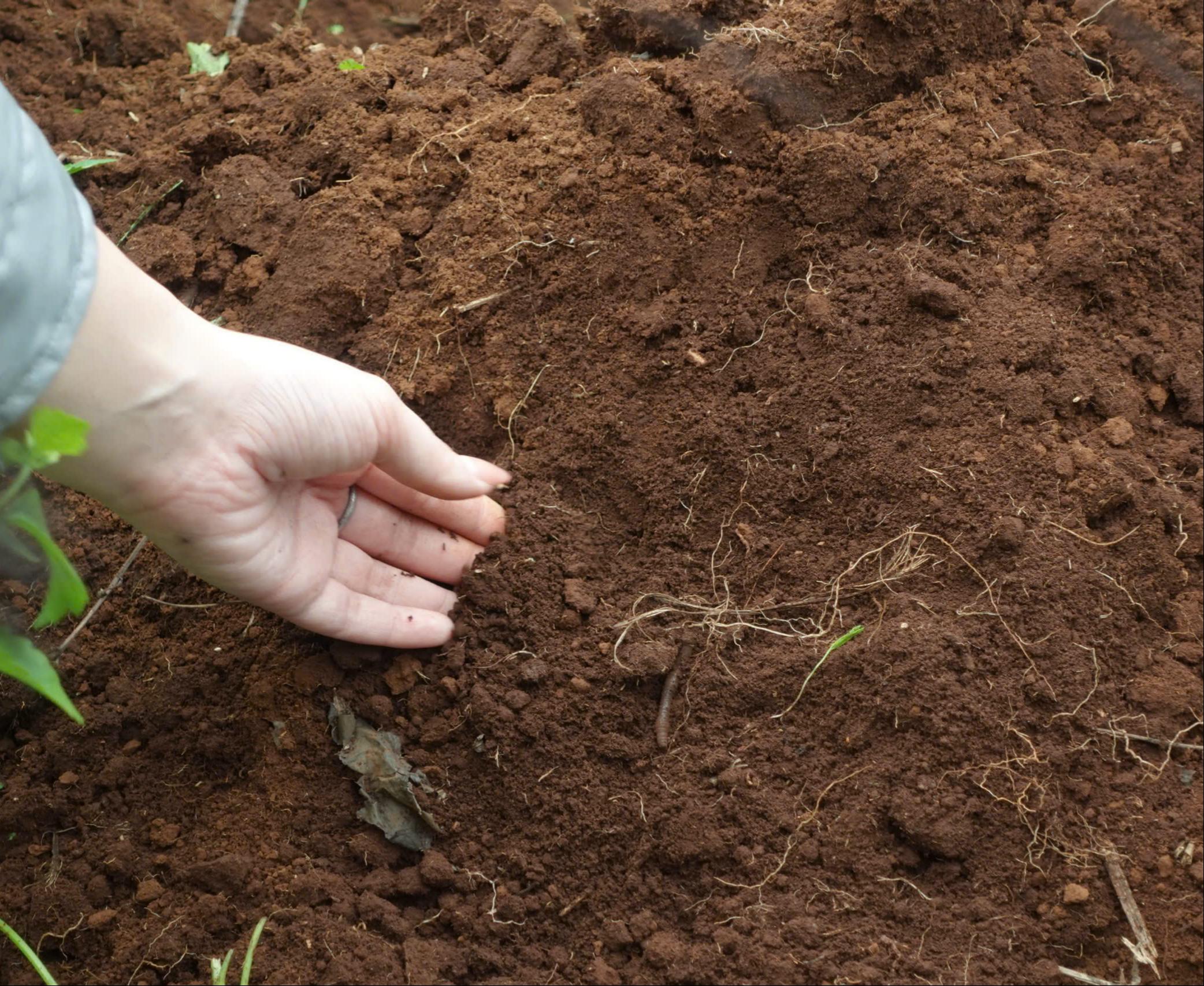
Replacing synthetic, soil-hardening chemicals with nutrient-dense natural compost.
Delivers deep, non-toxic nourishment while sheltering the topsoil from erosion.
Not all compost is equal. Effective organic matter requires a carbon-to-nitrogen ratio of 25:1 to 30:1 — the biological sweet spot at which microbial decomposer communities break down organic material efficiently without triggering temporary nitrogen immobilization that starves the crop. Our composting process is carefully managed to hit this window before application.
Applied mulch at 5–8 cm depth suppresses surface evaporation by up to 40%, physically blocks weed germination without herbicides, moderates soil temperature fluctuations, and — as it slowly decomposes — continuously adds back to the SOM pool beneath it. This practice directly mirrors the forest floor analogy found in permaculture design: replicating the self-regenerating nutrient cycle of a natural woodland, where nothing leaves the system and organic matter accumulates year after year.
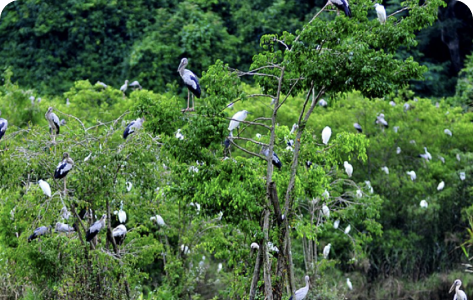
Welcome cover crops, native plants, and beneficial insects back to the fields.
Allows biology to police itself, creating a self-sustaining farm resilient to climate shocks.
Between every cultivation block at Mareso farms, we maintain deliberate wildflower corridors and native plant buffers. These aren't ornamental — they are functional infrastructure. They attract and sustain three of the most effective natural pest-control agents in tropical agriculture: Orius predatory bugs that hunt thrips and aphids, Trichogramma parasitic wasps that destroy the eggs of leaf rollers and stem borers before larvae can emerge, and native pollinators that support broader ecosystem health.
This is what ecologists call Biological Control Services — a category of ecosystem function that the Millennium Ecosystem Assessment values at an estimated $3–5 million USD per hectare per year globally. Conventional agriculture systematically dismantles this service through broad-spectrum pesticide use, then pays to replace it imperfectly with synthetic inputs. At Mareso, we protect and rebuild it instead.
• Over a 5-year cycle, soil vitality is fundamentally restored, building a robust foundation for crop nutrition and carbon capture.
• Across our model farms, the living soil structure acts as a natural sponge, securing a resilient and drought-resistant water supply.
We are on target for ALL premium coffee, coconut, and rice plantations to be 100% chemical fertilizer free, ensuring pure, safe products.
This flagship site serves as our primary model for multi-layer agroforestry and canopy management. By layering high-canopy macadamia with shadow-loving coffee and nitrogen-fixing black soybeans, we mimic a natural forest structure.